Share This Article
I Applied to AdSense 3 Times Before Getting Approved
First application – rejected. Sat there refreshing my inbox hoping it was a mistake. It wasn't. Second application – rejected again, two months later. Same vague "Insufficient content" reason. At that point I was close to just giving up on the whole thing.
Third time I actually stopped and looked at my site the way a stranger would. Not a blogger, not someone who knows what the site is "supposed" to be – just a random person who landed on it. And honestly? It looked like a half-finished project. No wonder Google's review team passed on it.
Made some changes – not huge ones, just the right ones – and got approved 12 days after my third application. That's what this post covers. Not the generic list you'll find on every other blog, but the specific things that made the difference for me.
💡 One thing I'll say upfront: most people fail AdSense because they apply too early. Not because Google is unfair. This is about getting the timing and the site quality right.
2. What Google AdSense Actually Is (No Jargon)
You've probably seen people claiming they earn ₹40,000/month from blogging "passively." That's not a lie exactly – but it also doesn't happen in month one. Google AdSense puts ads on your site. When visitors see or click those ads, you earn a cut. Two numbers you'll keep bumping into:
- CPC (Cost Per Click): What you earn when someone clicks an ad. Finance and tech content from USA can hit $3–$10 per click. General lifestyle blogs? More like ₹2–₹8 per click.
- RPM (Revenue Per 1,000 views): What you earn per 1,000 page views. USA visitors = $15–$35 RPM typically. Indian visitors = $1–$3. That gap is why targeting international keywords matters so much.
For a new blogger, AdSense is still the easiest entry point. No negotiating with advertisers, no minimum traffic deal. But the approval process got noticeably stricter in 2025–2026. Here's what Google actually looks for now.
📋 What Google Actually Looks For in 2026
I've gone through this three times. Some of what I read online was accurate. A lot wasn't. Here's my take.
a. Content Quality – Nothing Else Works Without This
When I got rejected the first time, I had 12 posts averaging maybe 500 words each. Felt like plenty when I was writing them. Looking back – it wasn't. The unofficial benchmark for 2026 seems to be:
- 15–25 posts before you apply. I had 18 when I got approved.
- Each post should be 800 words minimum. My better posts were 1,200–1,500 words.
- AI content – yes, I used it to draft. But I rewrote most of it. I actually wrote a separate post on how to use AI for blog writing without triggering Google's spam filters if you want the longer version of this.
- No copy-pasting. Even rewording paragraphs from other sites gets flagged.
📸 This is my Search Console data around the time I applied for the third time – about 140 organic clicks that month. Not impressive numbers, but real people finding real content.

b. Domain Age
People say you need 6 months. My domain was 4 months old when I got approved. Age helps, but it's not the main thing. What Google seems to care about more is whether the domain has a clean history – no spam, no previous penalty.
Stick to .com, .org, .net, .co.uk, .com.au, or .ae. Avoid .xyz and .top – they look spammy before you've even published a single word. And if you're buying an aged domain, check the Wayback Machine. Some aged domains are aged for a bad reason.
c. Design and Speed
My second rejection was partly on this. I was running a free theme that looked outdated and the mobile experience was a mess. I didn't realise until I tested it on my actual phone.
Get a proper responsive theme – Astra, GeneratePress, or Kadence all work well and are free. Run your site through Google PageSpeed Insights and aim for at least 70 on mobile. The two biggest fixes for most sites are compressing images and installing a caching plugin. Also, get rid of any full-screen pop-ups before you apply. Temporarily. You can bring them back after.
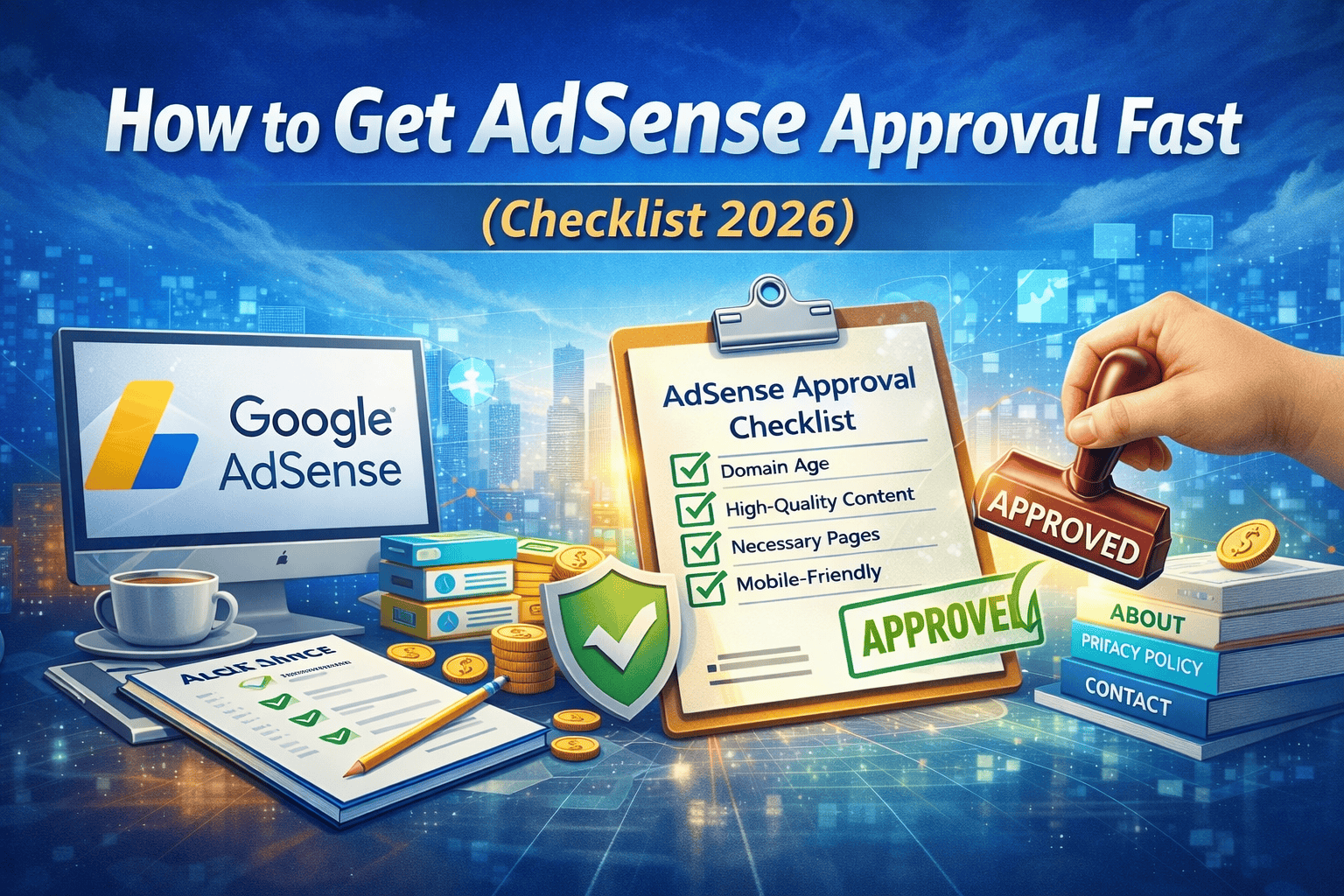
d. The Four Pages You Cannot Skip
About, Contact, Privacy Policy, Disclaimer. That's it. Four pages. Create them, link them in your footer. Done.
The About page especially – write it like a person, not a company. "This blog is run by [name]. I started it because…" That's all it needs to be. Add a photo if you can. Makes a real difference.
e. Traffic
No official minimum. But having zero visitors from Google Search when you apply is a yellow flag. Even 50–100 organic visits a month shows that real search results exist for your content. Submit your site to Google Search Console, get your posts indexed, do some basic keyword targeting. Don't buy traffic. Ever. That's a permanent ban risk.
f. Niche
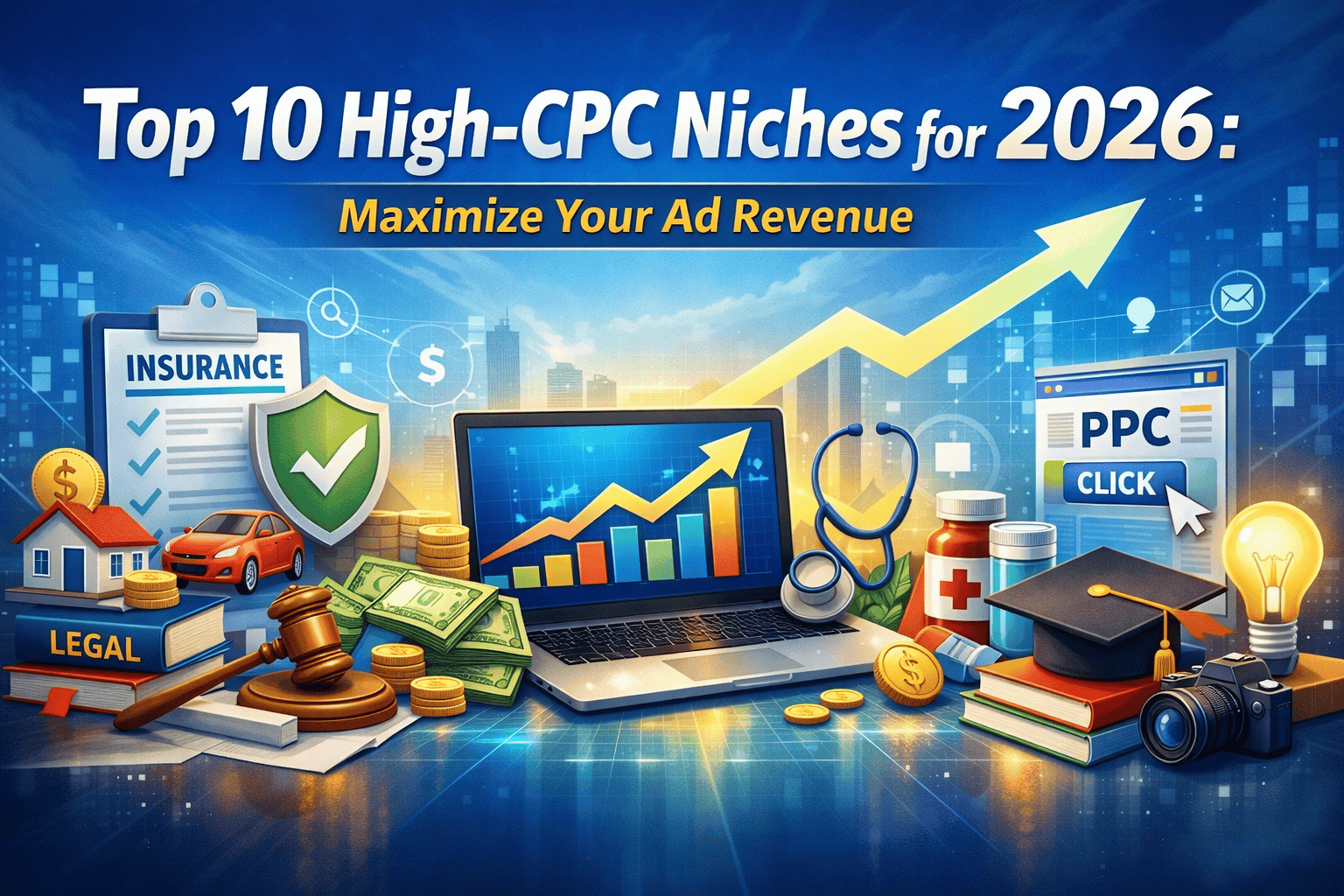
Best-earning niches in 2026 based on real data:
- Finance & Insurance — CPC can reach $5–$12 for USA traffic
- Tech & Software Reviews — $2–$8 CPC
- Digital Marketing & SEO — $3–$7 CPC
- Real Estate — high payout but competitive
- Health & Wellness — just be careful with medical claims. YMYL content is heavily scrutinised.
Stay away from adult content, piracy, gambling without a proper license, anything violent. Even one post like that gets the whole site rejected, not just the page.
4. What I Actually Did on My Third (Successful) Application
In order, here's the sequence:
- Switched to Astra theme, redid the menu structure, cleaned up the footer and added all four essential page links there.
- Went back to my existing posts and rewrote the shorter ones. Turned most 500-word posts into 1,200+ word posts by adding examples, screenshots, and my own commentary.
- Wrote 6 new posts, bringing the total to 18.
- Ran a PageSpeed test. Compressed all images. Installed WP Rocket (free version works). Got mobile score to 74.
- Resubmitted all posts to Search Console and waited about 5 days to see some traffic show up.
- Applied. Got approved 12 days later.
Total time from scratch to approval if you're consistent: 6–10 weeks. Don't try to speed-run it.
5. The Two Times Google Rejected Me – What Was Actually Wrong
Both rejections stung. The reasons Google gives are vague on purpose, which makes it annoying. Here's what those vague reasons actually meant in my case:
| What Google Said | What It Really Meant | What Fixed It |
|---|---|---|
| Thin content | Posts were short and generic. No personal angle, no depth. | Rewrote posts to 1,200+ words. Added my own examples and screenshots. |
| Navigation issues | Footer had no Privacy Policy or Contact link. Reviewer couldn't find them. | Created all 4 pages and linked them clearly in the footer. |
| Insufficient content | 12 posts, some categories had just 1 post in them. | Published 6 more posts across different categories. |
| Copyrighted images | I was using images pulled from Google Images. That's not allowed. | Switched to Unsplash, Pexels, and my own screenshots exclusively. |
Don't reapply immediately after rejection. I made that mistake on attempt two – reapplied within a week without fixing anything properly. Fix the actual issue, wait 2–3 weeks, then go again.
6. My Numbers at the Time of Approval
Not going to make these sound more impressive than they were:
- 18 posts published (mostly 900–1,400 words)
- ~140 organic clicks/month from Search Console
- Domain was 4 months old
- Mobile PageSpeed score: 74
- Review time: 12 days
- First month earnings after approval: ₹1,240
📸 The approval email. Saved this screenshot. After two rejections this one felt genuinely satisfying.
I remember opening that email at 7:23am. I'd set my phone on the nightstand and checked it half-asleep. Had to read it twice before it actually registered.

₹1,240 first month. Nothing to retire on. But six months later with more posts and better keyword targeting, it was closer to ₹8,000/month. The compounding effect of blogging is real, it just takes longer than most people expect.
7. Specific Things That Made the Difference
Some of these I figured out the hard way. Others I stumbled onto by accident:
- Put your photo on the About page. Obvious in hindsight, but I skipped this the first two times. It matters.
- Target USA or UK keywords even if you're sitting in Chennai writing this at 11pm. Your RPM reflects your visitor's location, not yours. This alone took my RPM from ₹1.50 to around ₹18 per 1,000 views.
- Publish at a steady pace in the weeks before applying – 3 posts a week feels active. Posting 15 posts in one weekend and then going quiet looks automated.
- Internal links. I had zero on my first application. Embarrassing, genuinely. At minimum, every post should link to 2–3 other posts on your site. Google uses this to understand structure, but it also just helps readers stay longer – which matters too.
- Disable pop-ups before applying. Any pop-up that fires in the first few seconds hurts your UX score during review. Put them back afterward. (I forgot to re-enable mine for like three weeks after approval. Doesn't matter – just don't have them during the review window.)
- Submit a sitemap to Search Console before applying. Not optional – just do it.
The About page thing – don't write "Welcome to our website where we share high-quality content…" That's what bots write. Write your actual story. Why did you start? Who are you? A few real sentences beat two perfect paragraphs every time.
8. AdSense in USA, UAE, and Australia – A Few Differences
I've helped a handful of people through this process in different countries. Some patterns I noticed:
- USA: Highest RPM, strictest expectations. Content needs to be genuinely good and English needs to be natural. Finance, insurance, tech – these niches perform well. The bar is high but so is the reward.
- UAE: Easier approval in my experience. RPM is lower ($5–$15) but there's much less competition. English content targeting Dubai expats is a solid angle. A .ae domain helps with local credibility.
- Australia: Similar to UK. RPM $15–$25. Finance, real estate, travel – these work well. Use .com.au if you're targeting local Australians specifically.
You can live anywhere and target USA traffic. That's the part that took me too long to understand. Google pays based on where your visitor is. Write about American topics, rank for American searches, earn American RPM. Location of the blogger doesn't come into it.
9. Questions I Get Asked Most Often
How many posts do I actually need?
18 worked for me. I've seen 12 very strong posts get approved. Below 15 feels risky. Quality beats quantity but don't go too low on either.
Can I use AI tools to write?
Yes. I do. But you need to edit it properly – add your experience, fix the facts, make it sound like a person who actually knows something wrote it. Unedited AI output has a very specific pattern that's easy to spot. Break that pattern on purpose.
How long does the review take?
Mine took 12 days. Some people report 4 weeks. Don't mess with your site during the review – leave it alone and wait.
I got rejected. What now?
Don't reapply straight away. Read the actual reason. Look at your site with fresh eyes – pretend you're a stranger who just discovered it. Fix what looks unfinished or thin. Wait 2–3 weeks. Then go again. It took me three tries.
Do I need minimum traffic?
No official number. But some organic traffic helps. I had 140 clicks/month when approved. Submit to Search Console, index your posts, do some basic SEO targeting.
Does the domain extension matter?
.com is best. Country-level domains (.co.uk, .com.au, .ae) work fine too. Avoid free subdomains and anything ending in .xyz or .top – those start with a trust deficit you don't want.
Got stuck somewhere in this process?
I check WhatsApp messages daily. If you've got a specific question about your site – why it was rejected, what to fix before applying, anything – just message me directly and I'll take a look.
Sometimes it takes 5 minutes of looking at someone's site to spot what's wrong. Happy to help if I can.