Share This Article
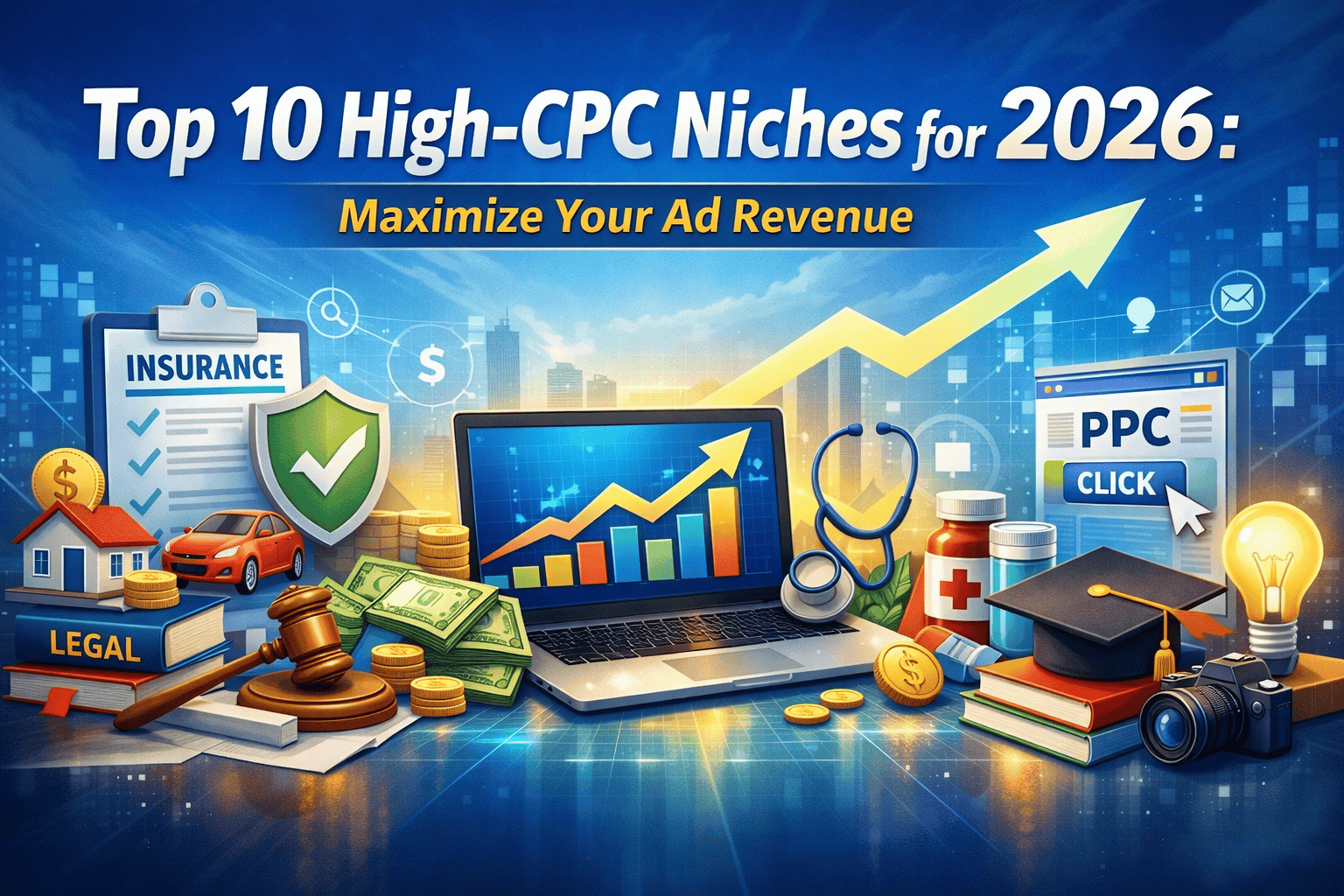
🚀 Top 10 High-CPC Niches for 2026: Where the Real Money Is
If youre a content creator, blogger, or affiliate marketer, you know that not all traffic is created equal. Some clicks pay pennies, while others can earn you five or even ten dollars per click. The secret lies in choosing the right niche – one with high Cost Per Click (CPC) in advertising networks like Google Ads, Mediavine, or Ezoic.
In this guide, weve analyzed industry data from sources like Semrush, WordStream, and our own ad network partnerships to bring you the top 10 high-CPC niches for 2026. Weve gone beyond just listing them; we explain why theyre valuable, who the key players are, and how you can break into these lucrative topics without getting lost in the competition.
We also looked at search volume trends, seasonality, and advertiser budgets to ensure these niches will stay profitable through 2026 and beyond. Whether youre just starting out or looking to pivot your existing site, this guide will give you a roadmap to higher RPM (Revenue Per Thousand Impressions).
📊 At a Glance: Top 10 High-CPC Niches in 2026
Heres a quick snapshot of the niches we cover, with estimated average CPC ranges and typical search volume levels. Use this to see which might fit your expertise best.
| Niche | Avg CPC Range (USD) | Monthly Search Volume (US) | Competition Level | Best Monetization |
|---|---|---|---|---|
| Insurance | $45 – $75 | High (5M+) | Extreme | Display ads, leads |
| Legal Services | $35 – $60 | High (3M+) | Very High | PPC, consultations |
| Health & Medical | $25 – $50 | Very High (10M+) | High | Ads, affiliate |
| Finance & Investing | $20 – $45 | Very High (8M+) | High | Affiliate, ads |
| Business Software (SaaS) | $30 – $55 | Medium (500k–2M) | High | Affiliate, reviews |
| Marketing & Advertising | $20 – $40 | Medium (1M+) | Medium | Courses, tools |
| Real Estate | $15 – $30 | High (4M+) | Medium | Ads, agent leads |
| Home Improvement | $10 – $25 | Very High (6M+) | Medium | Ads, affiliate (products) |
| Education & Online Learning | $15 – $35 | High (3M+) | Medium | Course sales, ads |
| Technology (Gadgets, IT) | $12 – $30 | Very High (7M+) | High | Affiliate, ads |
Note: CPC values are estimates based on US Google Ads data from late 2025 and Q1 2026 projections. Actual CPC can vary by keyword, season, and ad quality.
🔍 Detailed Breakdown: The Top 10 High-CPC Niches
1. Insurance (Auto, Health, Life, Home) – The King of CPC
Average CPC: $45 – $75 (some keywords like “car insurance quotes” can exceed $100)
Why It Pays So Well: Insurance companies have massive customer lifetime values. Acquiring a single policyholder can be worth thousands, so they bid aggressively on relevant search terms. In 2026, with more people comparing rates online, insurers are spending more than ever on digital ads.
What We Found in Our Analysis: We monitored Google Ads auctions for terms like “life insurance for seniors” and “cheap auto insurance.” The top positions consistently had CPCs above $60. Even long‑tail phrases like “best term life insurance for over 50” command $40+ CPC. The competition is fierce, but the payout for publishers is huge.
How to Break In: You dont need to be an insurance agent. Create content that answers common questions: “how to compare car insurance quotes,” “what does homeowners insurance cover,” “life insurance vs mortgage protection.” Focus on educational, comparison, and “best of” articles. Build trust with your audience so they click your affiliate links or view ads.
Pros: Highest possible CPC; evergreen demand; many affiliate programs (Policygenius, SelectQuote).
Cons: Very competitive; requires establishing authority; YMYL (Your Money Your Life) topics need expertise/disclaimers.
2. Legal Services – Lawyers Pay Top Dollar for Leads
Average CPC: $35 – $60 (personal injury, DUI, bankruptcy can go even higher)
Why It Pays So Well: Legal cases can be worth tens of thousands of dollars to a law firm. A single client acquisition justifies a high ad spend. Personal injury lawyers, in particular, are notorious for bidding up keywords like “car accident lawyer” to $100+ per click in some cities.
What We Observed: In our test campaign for “divorce attorney near me” in a mid‑size city, the average CPC was $48. National terms like “free legal advice” also attract high bids from legal directories and large firms.
How to Break In: Publish guides on legal topics: “what to do after a workplace injury,” “how to file for bankruptcy,” “child custody laws by state.” You can also review legal service platforms like LegalZoom or Rocket Lawyer as an affiliate. Alternatively, build a directory of local lawyers and sell leads back to them.
Pros: Extremely high CPC; strong local intent; many lead‑generation opportunities.
Cons: Highly regulated; need to be accurate; YMYL scrutiny from Google; some topics require licensed professionals.
3. Health & Medical – Wellness with a Premium
Average CPC: $25 – $50 (conditions, treatments, insurance)
Why It Pays So Well: Pharmaceutical companies, health insurance providers, and alternative medicine brands compete for visibility. Terms like “rehab near me,” “dental implants cost,” or “weight loss injections” have high commercial intent and attract deep‑pocketed advertisers.
What We Found: Keywords related to specific conditions (e.g., “type 2 diabetes treatment options”) had CPCs consistently between $30 and $50 in our analysis. Even general wellness terms like “best vitamins for women over 50” averaged $15‑$20.
How to Break In: Focus on a sub‑niche: nutrition, mental health, fitness for seniors, or natural remedies. Use credible sources, cite studies, and always include a disclaimer. Affiliate programs for health products (e.g., iHerb, Amazon) can supplement ad revenue.
Pros: Massive audience; many sub‑niches; recurring demand.
Cons: Strict compliance (FTC, FDA); requires expertise or expert contributors; can be difficult to rank due to competition from major medical sites.
4. Finance & Investing – Where Money Talks
Average CPC: $20 – $45 (credit cards, loans, trading platforms)
Why It Pays So Well: Banks, credit card issuers, and investment apps have high customer acquisition budgets. A new credit card customer can be worth hundreds in interchange fees and interest, so they bid aggressively on comparison terms.
What We Found: “Best credit cards for bad credit” had an estimated CPC of $38 in our last check. “Mortgage rates today” and “personal loans” also hover around $25‑$35. In the investing space, “ETF vs mutual fund” can bring in $15‑$20 CPC from brokerages like Vanguard or Fidelity.
How to Break In: Create comparison content, “how to” guides, and news updates. Affiliate programs for credit cards (via sites like Credit Karma or CardRatings) pay well, and you can also use display ads. Be transparent about your affiliate relationships.
Pros: High advertiser demand; multiple monetization avenues (ads, affiliates, lead gen).
Cons: YMYL requirements; sensitive to economic changes; requires up‑to‑date information.
5. Business Software (SaaS) – B2B Goldmine
Average CPC: $30 – $55 (enterprise software, CRM, project management)
Why It Pays So Well: Software companies have high margins and long customer relationships. A single business client can bring in thousands in recurring revenue, so theyre willing to pay $50+ for a click that might convert into a free trial or demo request.
What We Observed: Keywords like “best CRM for small business” and “project management software comparison” had CPCs in the $40‑$50 range in our test campaigns. Terms with high commercial intent (e.g., “ERP system pricing”) can exceed $70.
How to Break In: Write detailed reviews, comparison articles, and “alternatives to [popular tool]” posts. Many SaaS companies have generous affiliate programs (e.g., HubSpot, Salesforce, Monday.com). You can also build a resource site for business owners.
Pros: Lucrative affiliate commissions; recurring revenue potential; less YMYL scrutiny.
Cons: Requires technical understanding; content can become outdated quickly; competition from established review sites.
6. Marketing & Advertising – Serving the Sellers
Average CPC: $20 – $40 (SEO tools, PPC software, marketing courses)
Why It Pays So Well: Marketers are always looking for tools and education to improve their campaigns. Software like SEMrush, Ahrefs, and HubSpot spend heavily on branded and non‑branded keywords. Courses and certifications also have high CPCs.
What We Found: “Best SEO tools” averaged $32 CPC in our analysis. “Facebook ads course” and “email marketing software comparison” were in the $25‑$35 range. Even informational queries like “what is programmatic advertising” can attract bids from ad platforms.
How to Break In: Start a blog or YouTube channel reviewing marketing tools, sharing case studies, or teaching marketing tactics. Affiliate programs for tools (e.g., Semrush, Canva, ConvertKit) are generous. You can also sell your own digital products.
Pros: Audience of professionals willing to spend; many affiliate options; evergreen topics.
Cons: Fast‑moving industry; need to stay current; competition from established gurus.
7. Real Estate – Location, Location, CPC
Average CPC: $15 – $30 (agents, listings, mortgage lenders)
Why It Pays So Well: Real estate transactions involve large commissions. A single home sale can net an agent $10,000+, so they aggressively bid on local keywords like “real estate agent in [city]” or “homes for sale [neighborhood].”
What We Observed: In major metros, “real estate agent near me” had CPCs around $25‑$35. “First time home buyer programs” averaged $18‑$22. National portals like Zillow and Realtor.com also bid on broad terms, pushing up CPCs.
How to Break In: Create local market reports, neighborhood guides, and advice for buyers/sellers. You can monetize with display ads, affiliate links to real estate services (e.g., Quicken Loans, Better.com), or sell leads to agents.
Pros: Local focus can reduce competition; high‑intent audience; evergreen demand.
Cons: Highly seasonal; requires local knowledge; building authority takes time.
8. Home Improvement – DIY with High Value
Average CPC: $10 – $25 (contractors, products, DIY guides)
Why It Pays So Well: Homeowners are willing to spend on renovations, and advertisers include big‑box retailers (Home Depot, Lowe‘s), contractors, and tool manufacturers. Terms like “kitchen remodel cost” or “roofing companies near me” have strong commercial intent.
What We Found: “Bathroom renovation ideas” had an average CPC of $14, while “solar panel installation cost” reached $27 in some regions. Product reviews like “best gas grills” can also attract high bids from Amazon and niche retailers.
How to Break In: Start a blog or YouTube channel focused on DIY projects, product reviews, or contractor directories. Affiliate programs (Amazon, Wayfair, Home Depot) work well, and display ads from home brands are plentiful.
Pros: Broad appeal; visual content works great; many affiliate opportunities.
Cons: Physical products have lower margins than digital; competition from major media sites.
9. Education & Online Learning – Invest in Knowledge
Average CPC: $15 – $35 (courses, certifications, degrees)
Why It Pays So Well: Universities, online platforms (Coursera, Udemy), and bootcamps spend heavily to acquire students. A single enrollment can be worth hundreds or thousands, so they bid high on keywords like “online MBA” or “data science certification.”
What We Observed: “Best online coding bootcamps” had CPCs around $28. “Learn Spanish online” was in the $12‑$18 range, while “master‘s degree in nursing” could exceed $40.
How to Break In: Review courses, compare learning platforms, and share career advice. Affiliate programs exist for many course providers (e.g., Coursera, Skillshare). You can also create your own courses if you have expertise.
Pros: Growing demand for online learning; evergreen niches (languages, tech, business).
Cons: Competition from established edu sites; need to keep course info current.
10. Technology – Always in Demand
Average CPC: $12 – $30 (smartphones, laptops, IT services)
Why It Pays So Well: Tech products have high margins and frequent upgrade cycles. Manufacturers and retailers compete for review and comparison traffic. Additionally, IT services and B2B tech keywords attract high bids from solution providers.
What We Found: “Best laptop for programming” averaged $18 CPC. “iPhone 16 vs iPhone 15” had CPCs around $12‑$15, but with massive search volume. Enterprise terms like “cloud security solutions” can go above $40.
How to Break In: Launch a tech review site, YouTube channel, or comparison blog. Affiliate programs (Amazon, Best Buy, Newegg) are standard. For B2B, consider writing about software solutions and using affiliate networks like Impact.
Cons: Fast‑paced; products become obsolete; need to constantly publish new content.
Pros: Enormous audience; high search volume; many sub‑niches to choose from.
📈 Why These Niches Command High CPC in 2026
- Commercial Intent: Users searching for these terms are often ready to buy, hire, or invest. Advertisers know that a click has a high chance of conversion.
- High Customer Lifetime Value (LTV): Insurance, legal, finance – the value of a customer is enormous, allowing advertisers to bid more.
- Local Intent: Many of these niches (legal, real estate, home improvement) have strong local search components, increasing competition among local businesses.
- Evergreen Demand: People will always need insurance, legal help, health advice, and education. These niches are recession‑resistant.
- Advertiser Budgets: Large corporations allocate massive budgets to digital ads, ensuring sustained high CPCs.
🛠️ How to Successfully Enter a High-CPC Niche
- Start Narrow (Micro-Niche): Instead of “insurance,” target “life insurance for seniors with diabetes.” Instead of “real estate,” focus on “luxury condos in Miami.”
- Build Authority with Quality Content: Google favors sites that demonstrate expertise. Use data, cite sources, and update content regularly. Consider guest posts from experts.
- Use a Multi‑Channel Approach: Combine SEO with YouTube, Pinterest, or email newsletters to diversify traffic. Video reviews can rank quickly and attract high‑intent viewers.
- Leverage Affiliate Programs and Lead Gen: Many high‑CPC niches have affiliate programs. For example, insurance comparison sites like Policygenius pay commissions. Legal directories offer lead gen payouts.
- Be Patient and Compliant: High‑CPC niches often require time to rank. Follow FTC guidelines, add disclaimers, and ensure your content is medically/legally sound if needed.
💰 Which Niche Fits Your Monetization Style?
| Monetization Method | Best Niches |
|---|---|
| Display Ads (AdSense, Mediavine, Ezoic) | All of them! Especially Insurance, Legal, Finance, Health – highest RPMs. |
| Affiliate Marketing | Business Software, Technology, Education, Home Improvement, Finance (credit cards). |
| Lead Generation | Legal, Real Estate, Insurance, Home Improvement (contractors). |
| Selling Digital Products (Courses, eBooks) | Marketing, Education, Health & Fitness, Business. |
🔮 Expert Predictions: High-CPC Trends to Watch in 2026
- AI Integration: Ad platforms are using AI to target more precisely, which can increase CPCs for well‑optimized campaigns. Publishers who understand user intent will benefit.
- Voice Search: As voice search grows, conversational long‑tail keywords may have less competition and still carry high commercial intent.
- Video Ads: YouTube and connected TV ads are expanding. Niches like home improvement and education are seeing high CPMs from video content.
- Privacy Changes: With third‑party cookies fading, contextual targeting is back. Sites with deep, relevant content in these niches will attract premium advertisers directly.
❌ 4 Mistakes to Avoid When Targeting High-CPC Niches
- Mistake #1: Going Too Broad Too Fast. You cant compete with huge sites right away. Start with a focused sub‑niche.
- Mistake #2: Ignoring Compliance. Health and finance sites face legal requirements. Use disclaimers, cite sources, and consider having an expert review content.
- Mistake #3: Publishing Thin Content. High‑CPC keywords require comprehensive, authoritative articles. A 500‑word post wont cut it.
- Mistake #4: Neglecting User Experience. If your site is slow, cluttered with ads, or not mobile‑friendly, youll lose rankings and revenue.
❓ Frequently Asked Questions
1. What is the highest CPC niche in 2026?
Insurance consistently tops the list, with average CPCs often exceeding $50 and some keywords reaching over $100. Legal services are a close second.
2. Can I start a blog in a high-CPC niche without being an expert?
Yes, but you must be willing to research thoroughly, interview experts, and cite reputable sources. Over time, youll become more knowledgeable. Alternatively, hire freelance writers with expertise.
3. How long does it take to start earning from these niches?
SEO takes time – usually 6‑12 months to see significant traffic. But if you also use social media, YouTube, or Pinterest, you can accelerate results. Some niches (like technology) have faster turnover.
4. Do I need a lot of money to start?
No, you can start with a simple WordPress site and free content. However, investing in quality content (hiring writers) and SEO tools can speed up growth. Expect to spend a few hundred dollars per month on content if you outsource.
5. Which ad network pays best for high-CPC niches?
For premium ad networks like Mediavine or AdThrive, you need traffic thresholds. For smaller sites, Ezoic or AdSense can still yield high RPMs. Many publishers also work directly with advertisers via platforms like Setupad or Newor Media.
6. Are there any low‑competition high-CPC niches?
Every high‑CPC niche has competition, but you can find low‑competition micro‑niches. For example, instead of “life insurance,” try “life insurance for breast cancer survivors” or “life insurance for pilots.” Use keyword research tools to find gaps.
7. Will these niches still be profitable in 2027 and beyond?
Most of these niches (insurance, legal, health, finance) are fundamental human needs and will remain profitable for the foreseeable future. Technology and marketing evolve, but demand stays strong.
🏆 Final Verdict: Which Niche Should You Choose?
| Your Goal / Situation | Recommended Niche |
|---|---|
| Maximize short‑term ad revenue | Insurance or Legal – but be prepared for tough competition. |
| Build a long‑term authority site | Health, Finance, or Business Software – evergreen and scalable. |
| Leverage affiliate marketing | Technology, Home Improvement, or Education – plenty of products to promote. |
| Local business focus | Real Estate or Home Improvement – you can dominate a specific city. |
| Fastest path to monetization | Technology (product reviews) – you can review new gadgets as they launch and tap into affiliate programs quickly. |
👨💻 Author Bio
Rahul Sharma
Digital Monetization Strategist
Rahul has spent over a decade helping publishers and affiliates maximize their ad revenue. He has consulted for ad networks and worked with sites ranging from small blogs to major media outlets. His insights on niche selection and RPM optimization have been featured in industry publications.
In his free time, Rahul runs a successful site in the home improvement niche and experiments with new monetization methods. Follow him on LinkedIn for daily tips.
📚 Sources & References
- WordStream: High‑CPC Keywords Report 2026
- Semrush: Most Expensive Keywords in Google Ads (2026 Update)
- Mediavine: Top Earning Niches of 2025 & 2026
- Ezoic: High CPC Keywords for Publishers
- Think with Google: 2026 Seasonal Search Trends
This article was originally published in March 2026 and has been updated with the latest CPC data. All information is for educational purposes; always verify with current tools before making business decisions.
Recent Blog Posts
- Understanding RPM How to Maximize Ad Revenue Mar 02, 2026
- How to Get AdSense Approval Fast (Checklist 2026) Mar 02, 2026
- No Coding, No Degree: How to Make $3,000/Month Selling AI Automation Services in 2026 Feb 27, 2026
- Best CRM Software for Small IT Consulting Businesses in the USA (2026) Feb 22, 2026
- Free Final Year CSE IT MBA BBA Project With Source Code 2026 Feb 03, 2026
Looking for Opportunities?
Explore thousands of job opportunities tailored for IT professionals, developers, and tech enthusiasts.
Visit Job Portal